Are you tired of watching your hard-earned margins evaporate due to warehouse inefficiencies? Let’s be radically honest: labor shortages aren’t just a temporary hiccup anymore; they are the brutal new normal. If your fulfillment center still relies on paper pick lists and gut-feeling forecasts, you are actively bleeding capital. Welcome to the reality of modern supply chains. Transitioning to advanced Smart Warehousing is no longer a shiny tech upgrade used for PR—it is the ultimate survival mechanism for your business.
Solving the Ultimate Fulfillment Bottleneck
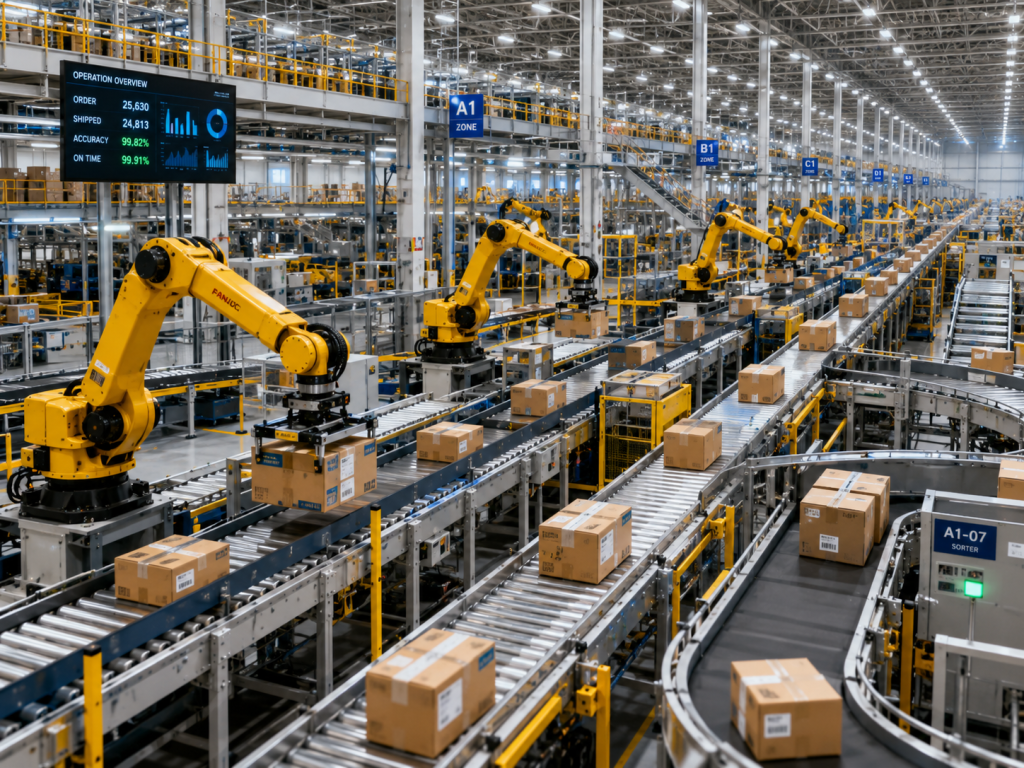
Think back to your last peak season. Chaos, right? When order volumes spike 300% overnight, throwing more human temps at the problem simply doesn’t scale. This is exactly where legacy operational models break apart. By integrating intelligent algorithmic routing, modern facilities can dynamically re-assign tasks on the fly. We’re talking about a massive paradigm shift from reactive firefighting to proactive execution. If you truly want to dive deeper into how automated sorting maximizes throughput, conducting a rigorous assessment of your current internal logistics flow is step one.
How AI Breaks Logistical Data Silos
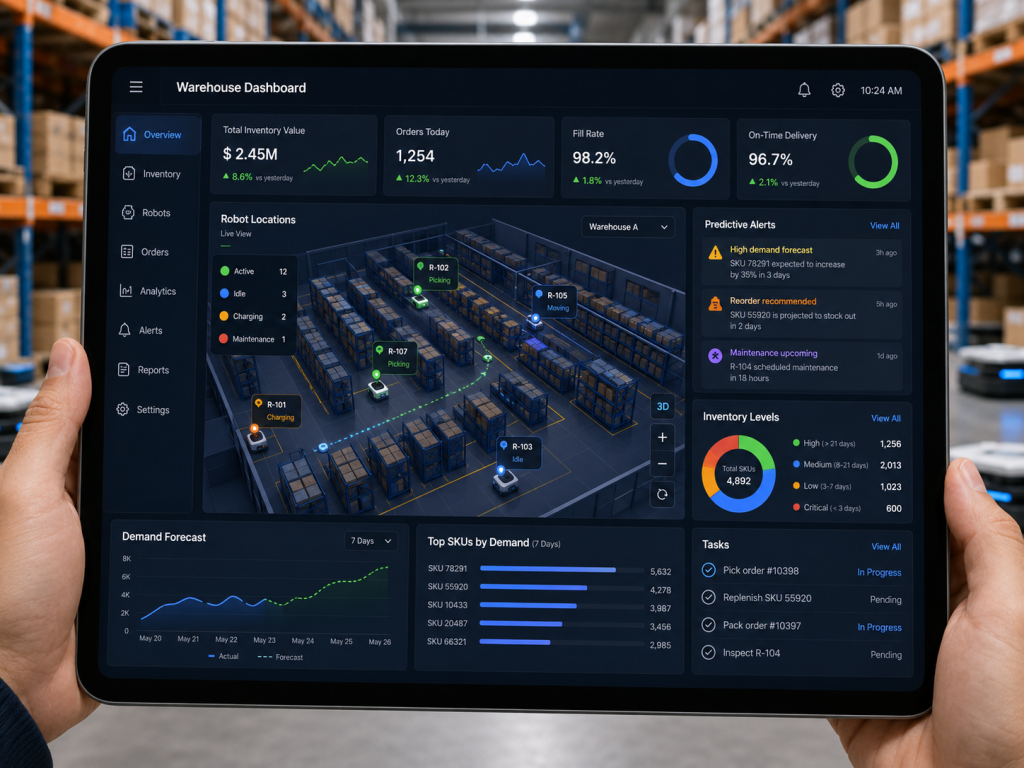
You cannot optimize what you cannot see. Inventory blind spots are the silent killers of retail margins. Imagine knowing precisely when a specific SKU will stock out three weeks before the shelf actually goes empty. Advanced Smart Warehousing management systems tap into sophisticated machine learning engines to achieve exactly this level of clairvoyance. According to a comprehensive breakdown of artificial intelligence in supply chains by IBM’s technology insights, predictive algorithms can slash forecasting errors by a staggering 50%. It completely eradicates the era of guesswork.
Next-Gen Robotics in Smart Warehousing
Let’s get one thing totally straight: simply installing a few conveyor belts doesn’t mean you have achieved a state of Smart Warehousing. The true core of modern logistics intelligence is autonomous decision-making. Enter Autonomous Mobile Robots (AMRs). Unlike rigid AGVs that blindly follow magnetic tape on the floor, AMRs are dynamic and context-aware. They map the facility in milliseconds, effortlessly dodge a forklift dropped carelessly in an aisle, and instantly calculate the fastest alternative route to the packing station. The Association for Advancing Automation (A3) details how collaborative robots are aggressively redefining floor safety while doubling picking speed
Overcoming ERP Integration Hurdles
A massive roadblock many executives face is getting new, bleeding-edge hardware to actually talk to ancient legacy systems. You might purchase a fleet of the best robots on the market, but if they fail to sync with your SAP or Oracle ERP, they are essentially highly expensive paperweights. Cloud-native middleware and advanced APIs are bridging this critical gap. By utilizing a robust warehouse execution system (WES), managers can orchestrate a flawless real-time synchronization between top-floor software logic and shop-floor physical hardware. To prevent a botched rollout, we strongly recommend reviewing our comprehensive API integration guide before authorizing any massive capital expenditures.
Future-Proofing with Smart Warehousing
Stop playing an endless game of catch-up. Yes, the leap into the next echelon of logistics requires capital, but the ROI timeline is shrinking rapidly—often to less than 18 months. You need an underlying architecture that scales seamlessly with your wild growth, not one that suddenly bottlenecks your operations during Q4. Upgrading to a comprehensive Smart Warehousing ecosystem turns every single physical movement into an actionable data point. It is brutal out there for operators still clinging to the past. Embrace the shift, or prepare to be outpaced.